Blog
Resources for teachers
Teaching tips, productivity advice, and practical guides on AI in the service of education.

Emergency Sub Plans: A Complete Low-Prep Day for Grade 4
Use a complete Grade 4 emergency sub plan with a full-day schedule, original reading and math pages, answer keys, no-internet backups, and handover notes.

Report Card Comments: Evidence, Progress, Next Steps
Write specific report card comments from classroom evidence, describe progress fairly, and give families one useful next step.
Exit Ticket Template: 30 Examples and 5 Copyable Formats
Copy 30 exit ticket examples for math, ELA, science, and social studies, then use five flexible templates to decide what your class needs next.
Scope and Sequence Template: Build a Course in the Right Order
Copy a scope and sequence template, see a nine-week algebra example, and check prerequisites, pacing, assessment, and gaps before lessons begin.
UK Lesson Plan Template: Four-Nation Guide and Full Example
A practical UK lesson plan template with a complete worked example and nation-specific curriculum fields for England, Scotland, Wales and Northern Ireland.
Scheme of Work Template for UK Teachers (With a Complete Example)
A copyable scheme of work template, a six-week worked example and a clear guide to curriculum references across England, Scotland, Wales and Northern Ireland.

Kindergarten TEKS Lesson Plan: Addition and Subtraction Within 10
A complete Texas kindergarten mathematics lesson aligned to TEKS K.3(B), with concrete models, drawings, word problems and an observable exit task.
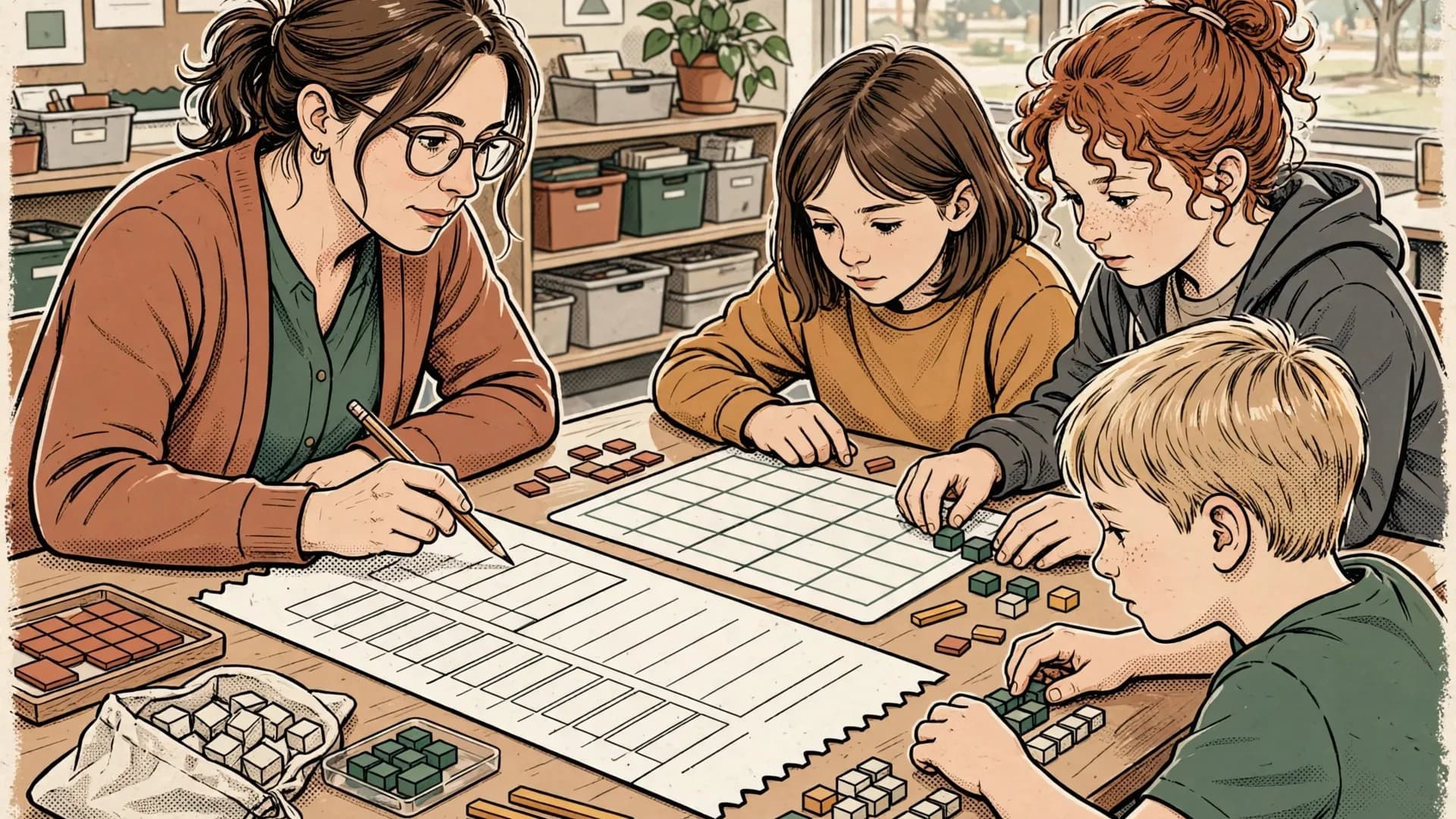
Math TEKS Lesson Plan: Grade 4 Decimal Operations
A complete Grade 4 Texas math lesson for TEKS 4.4(A), with place-value models, receipt-error analysis, independent evidence and targeted supports.

Science TEKS Lesson Plan: Grade 5 Light Investigation
A complete Grade 5 Texas science lesson for TEKS 5.8(C), using stations to investigate light travelling, reflecting, refracting and being absorbed.
TEKS Lesson Plans: A Practical Guide for Texas Teachers
Turn a current Texas Essential Knowledge and Skills student expectation into an objective, learning sequence and assessment without treating the code as a decorative label.
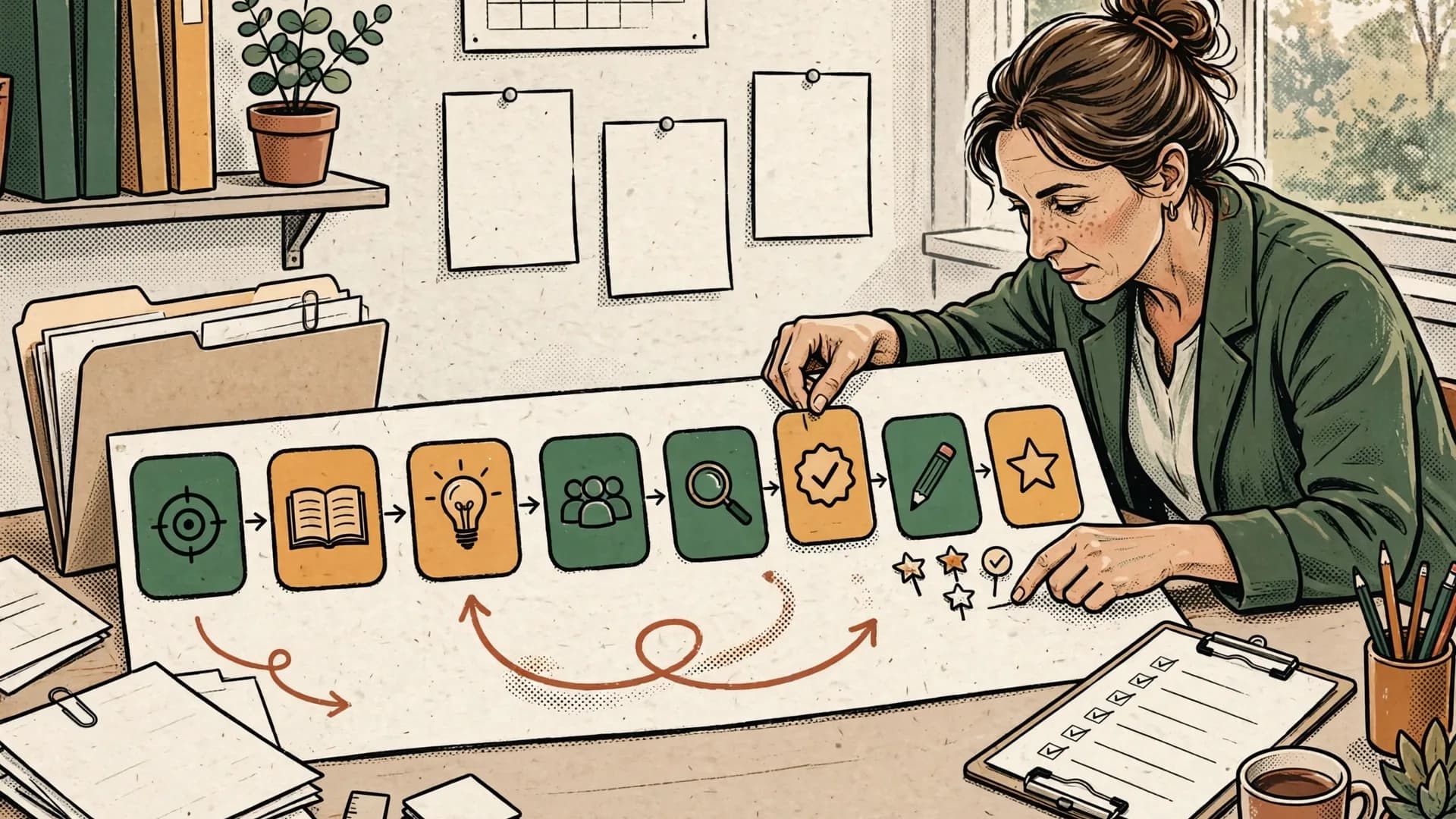
Curriculum Map Template: Plan a Term That Holds Together
Copy a practical curriculum map template, see an eight-week example, and connect outcomes, evidence, lessons, and reteaching across a term.
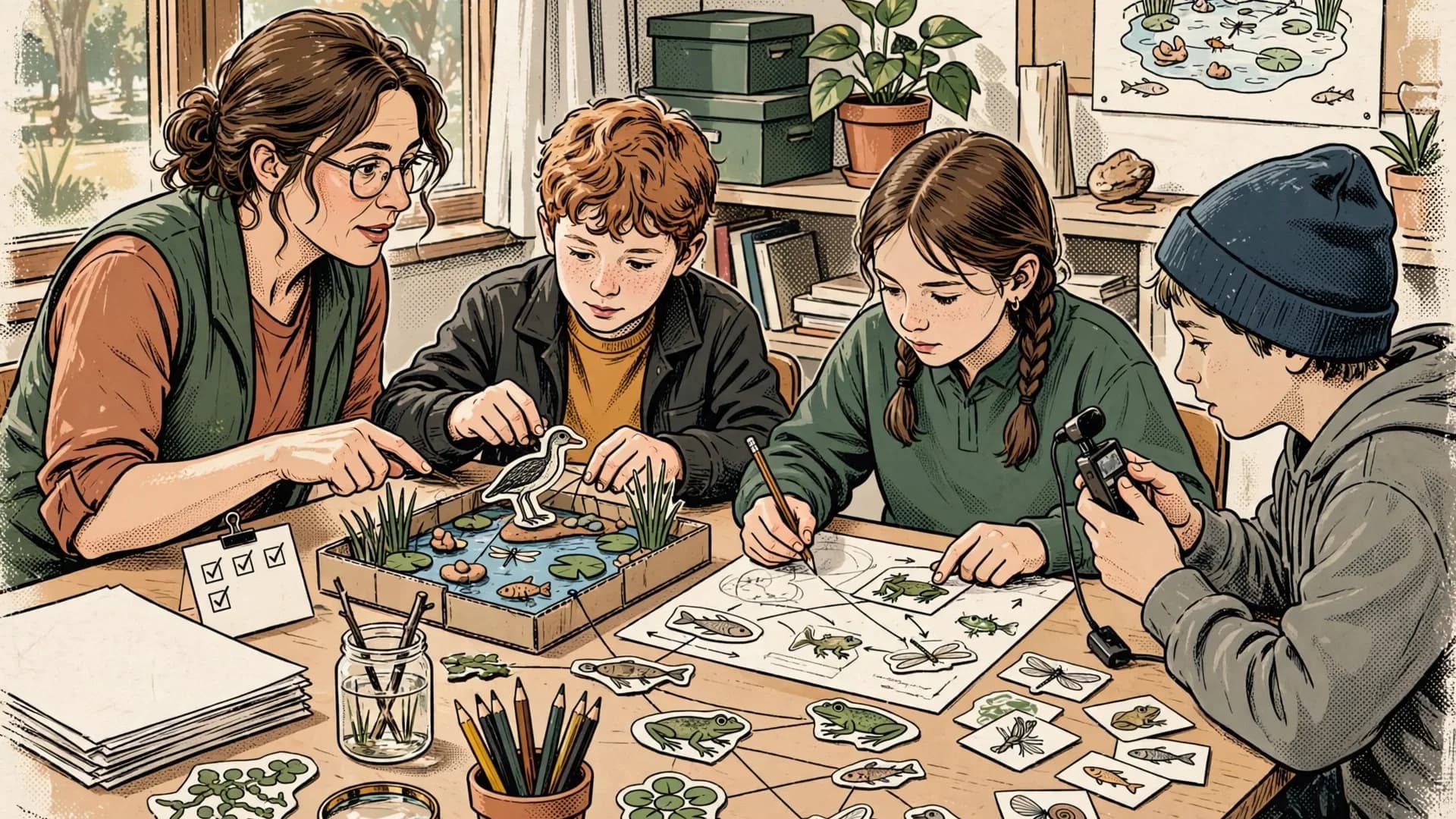
UDL Lesson Plan Example: One Complete, Adaptable Science Lesson
See a complete UDL lesson plan example with anticipated barriers, options for engagement, representation, action, and expression, plus one shared goal.
Weekly Lesson Plan Template: Plan Five Days Without Overpacking Them
Copy a weekly lesson plan template for US classrooms, see a filled Grade 5 example, and connect daily evidence to Friday's next-step decision.

The 5E Lesson Plan: A Practical Guide for K-12 Teachers
The 5E model (Engage, Explore, Explain, Elaborate, Evaluate) is the most widely used inquiry framework in US K-12 science. Here is what each phase looks like, where it works, and two full worked examples.
Backward Design Lesson Plan: A Practical Guide for K-12 Teachers
Backward design flips traditional lesson planning on its head. Start with the results you want, work backward to the assessment, then plan the activities. Here is how to do it without burning a weekend.
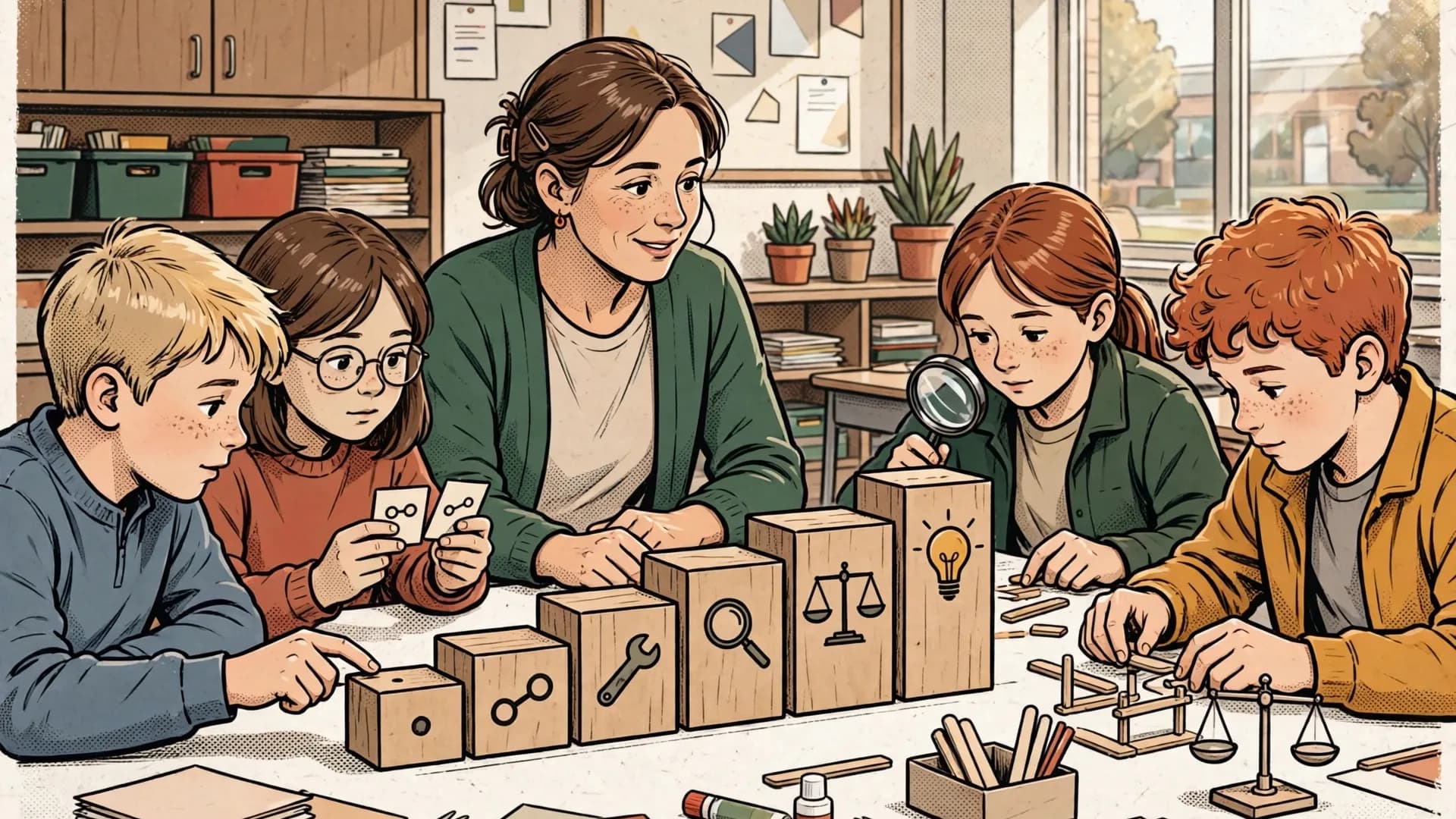
Bloom's Taxonomy Lesson Plan: How to Scaffold Thinking in One Period
Use Bloom's revised taxonomy to plan a single lesson that climbs from recall to higher-order thinking. Includes a verb table and a full worked example.
How to Write a Lesson Plan: A 7-Step Guide for Teachers
A step-by-step method for writing a classroom-ready lesson plan in under 30 minutes, with three real K-12 examples and the components every plan needs.

Lesson Plan Example: 6 Complete Plans You Can Model Today
Six full lesson plan examples from kindergarten to 12th grade, each with standards, timing, and a short commentary on why the design works in a real classroom.
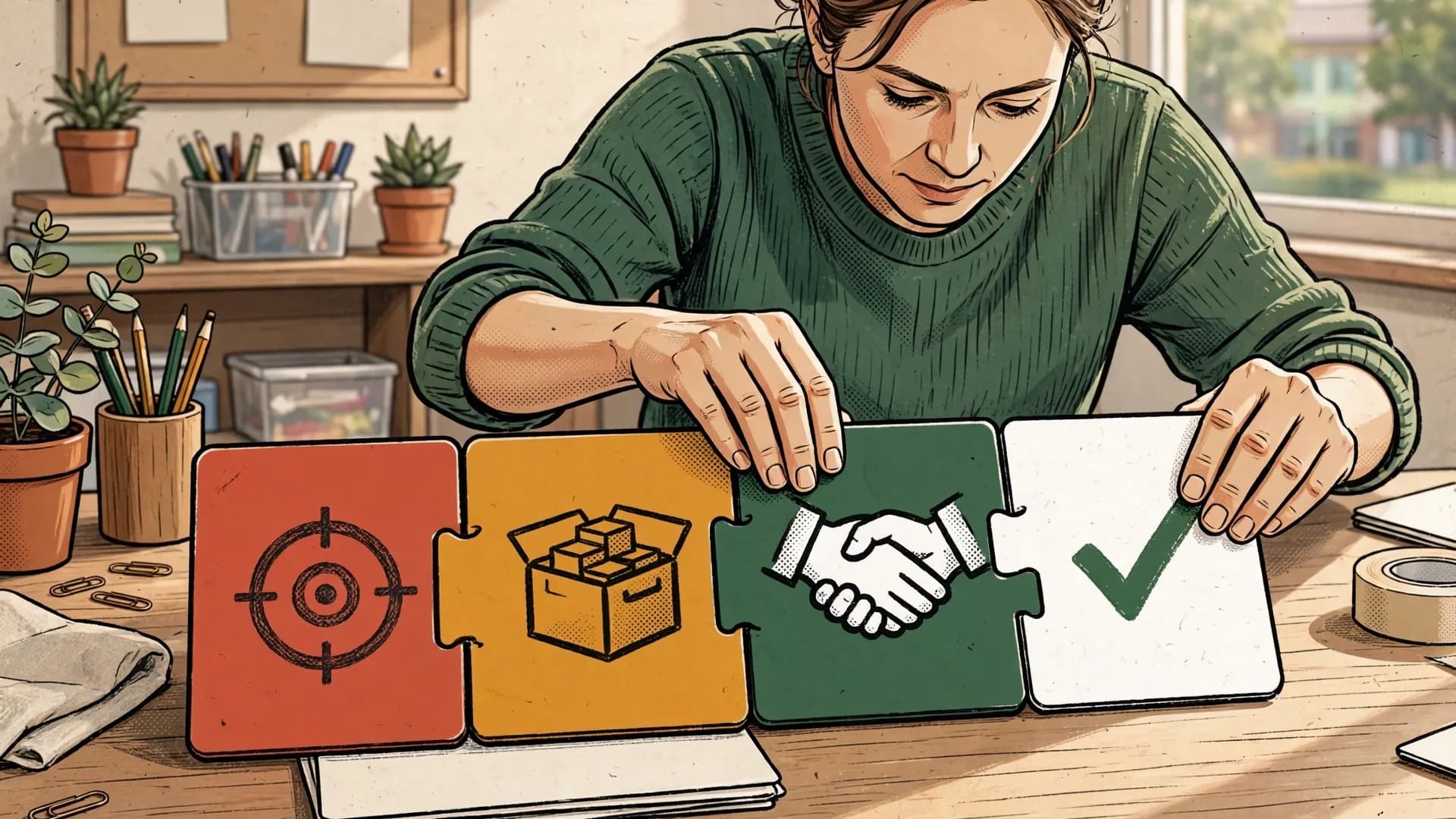
6 Lesson Plan Formats Compared (And When to Use Each)
A side-by-side comparison of the six lesson plan formats teachers actually use: Madeline Hunter, 5E, Workshop, Backward Design, SIOP, and the daily one-pager. Honest tradeoffs and a decision matrix.

Lesson Plan Ideas: 8 Patterns for Teachers Who Are Out of Inspiration
Stop hunting for the perfect downloadable lesson. Use these 8 repeatable patterns to generate fresh, engaging lesson plan ideas in any subject, any grade.
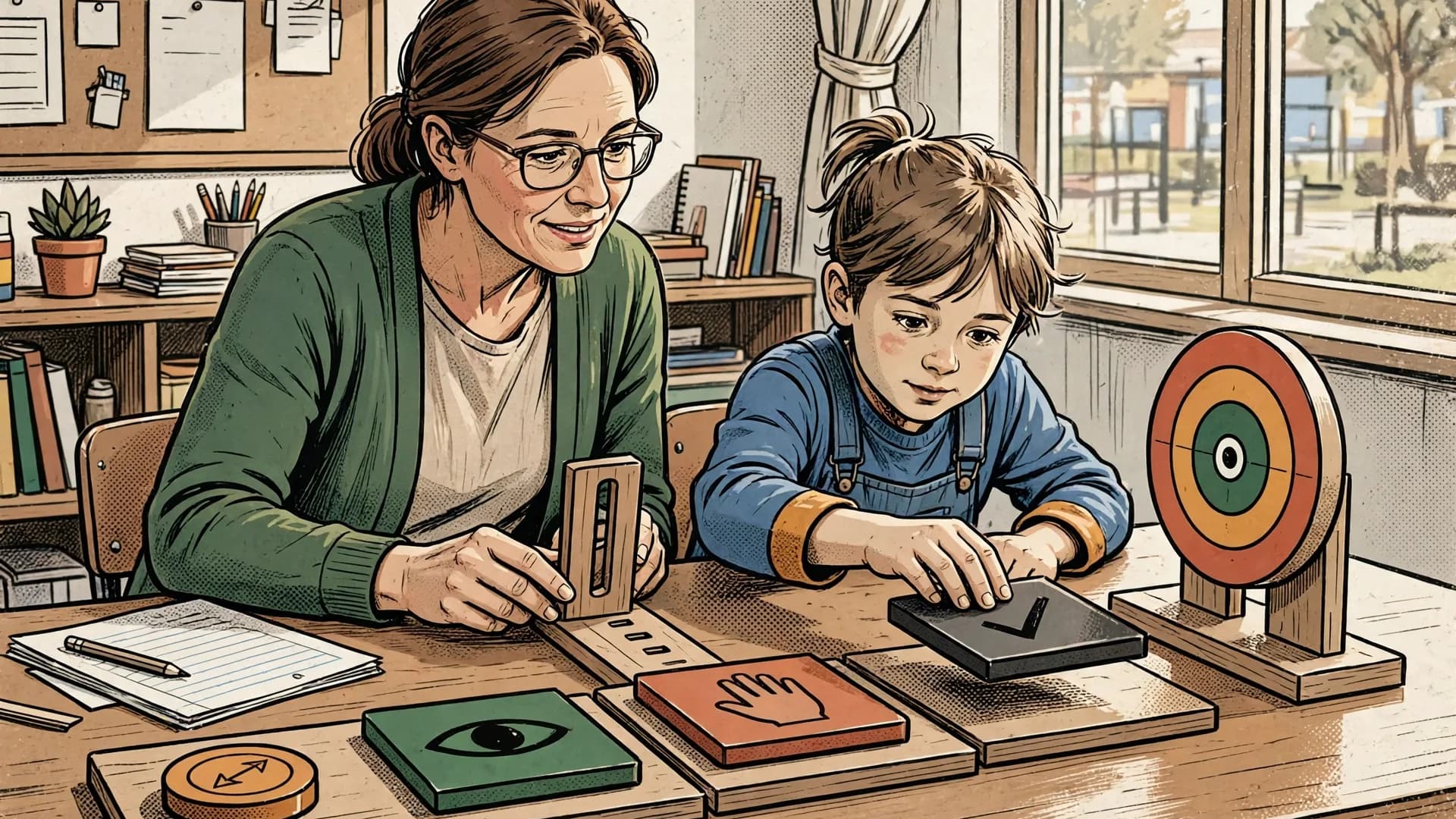
Lesson Plan Objectives: 3 Types, Bloom's Verbs, and ABCD Examples
The 3 objective types are cognitive, affective, and psychomotor. Use the free builder, Bloom's verb bank, and ABCD examples to write your own.
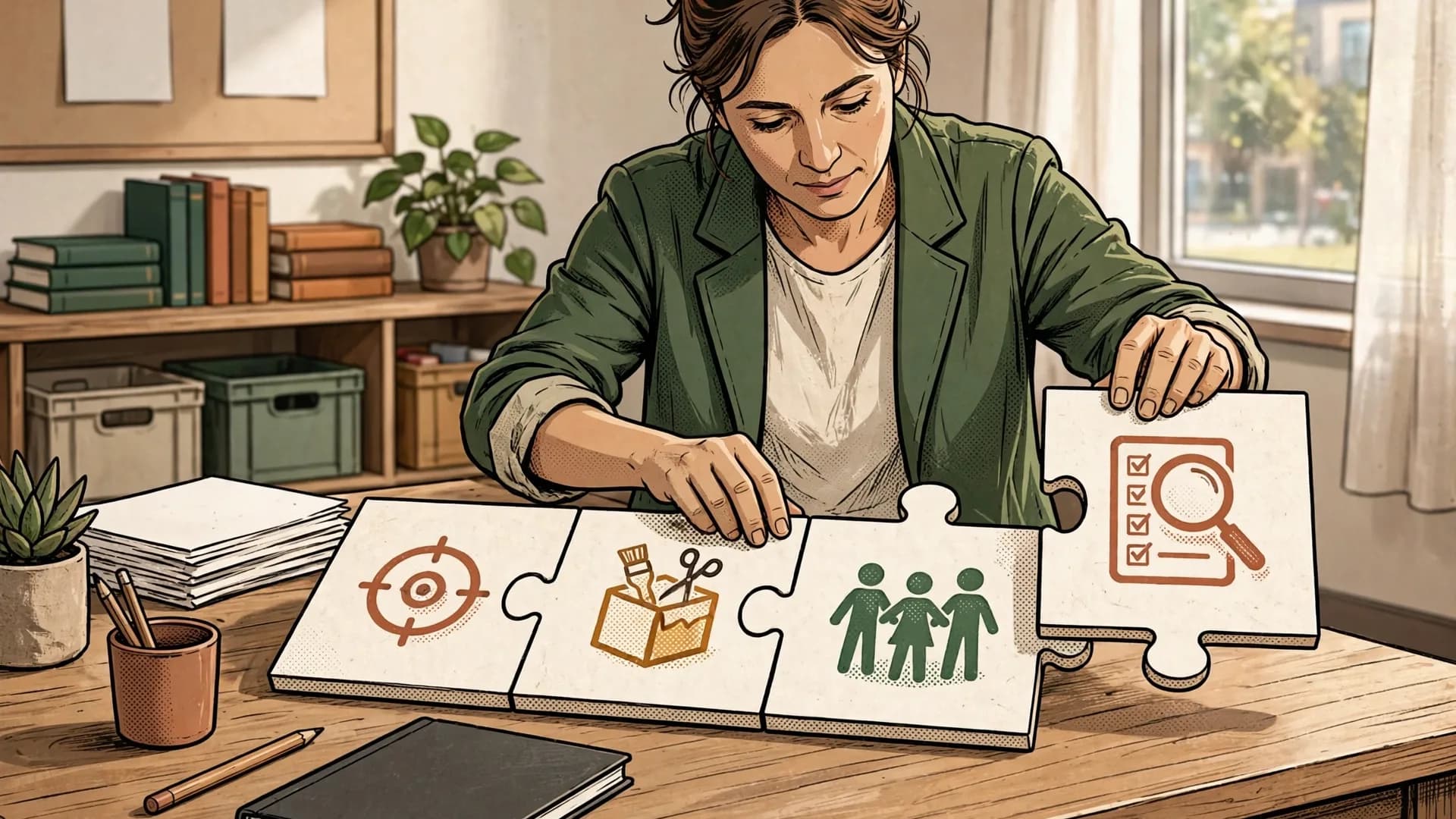
The 8 Parts of a Lesson Plan (With Examples for Each)
A deep reference guide to the 8 parts of a lesson plan. Worked examples, common mistakes, and what good looks like for objectives, hook, instruction, practice, assessment, and closure.
Using AI in Education: A Practical Guide for Teachers
AI in education is not about robots replacing teachers. It is about giving teachers superpowers. Here is a practical, no-hype guide to using AI in your classroom.
5 Time-Saving Strategies Every Teacher Needs
Compare five ways to organize planning, marking and resources. Use a time log and one measured trial to find what helps in your own teaching week.
Teaching Reading in Elementary: Activities That Build Foundations
Teaching reading in elementary grades shapes a child's entire academic future. Here are the five components every classroom needs and ten activities you can use Monday morning.
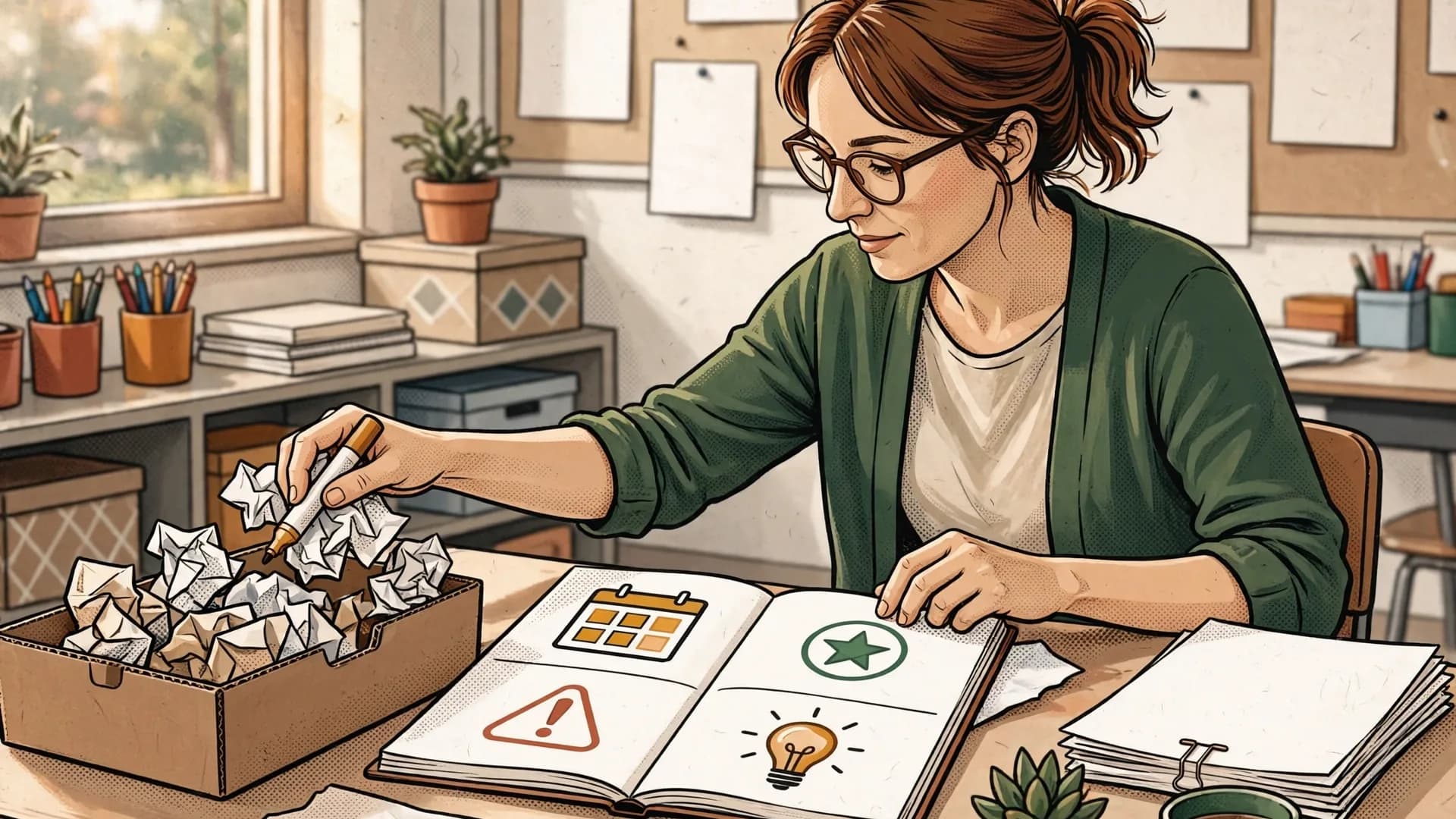
Teacher Planner: What to Track (and What to Skip) to Stay Sane
Most teacher planners are either too empty or too full. Here is the lean, four-section teacher planner that actually keeps you sane through the year.
Teacher Burnout: Early Warning Signs and What to Do About It
Teacher burnout creeps in before you notice. Learn the early warning signs, what actually helps, and why this is a structural mismatch, not a personal failing.

Service-Learning: Designing Your First Community Project
Service learning blends curriculum with real community needs. Here is how to design your first four-week project without confusing it with volunteering.

Resolving Student Conflicts: A 4-Step Protocol
Resolving student conflicts in your classroom does not have to derail the whole period. This 4-step protocol takes ten minutes and actually teaches resolution.

Reading Comprehension Lesson Plan: Research-Based Strategies
Plan a reading comprehension lesson with explicit modeling, guided practice, independent transfer, and an exit ticket. Includes a copyable 45-minute plan.
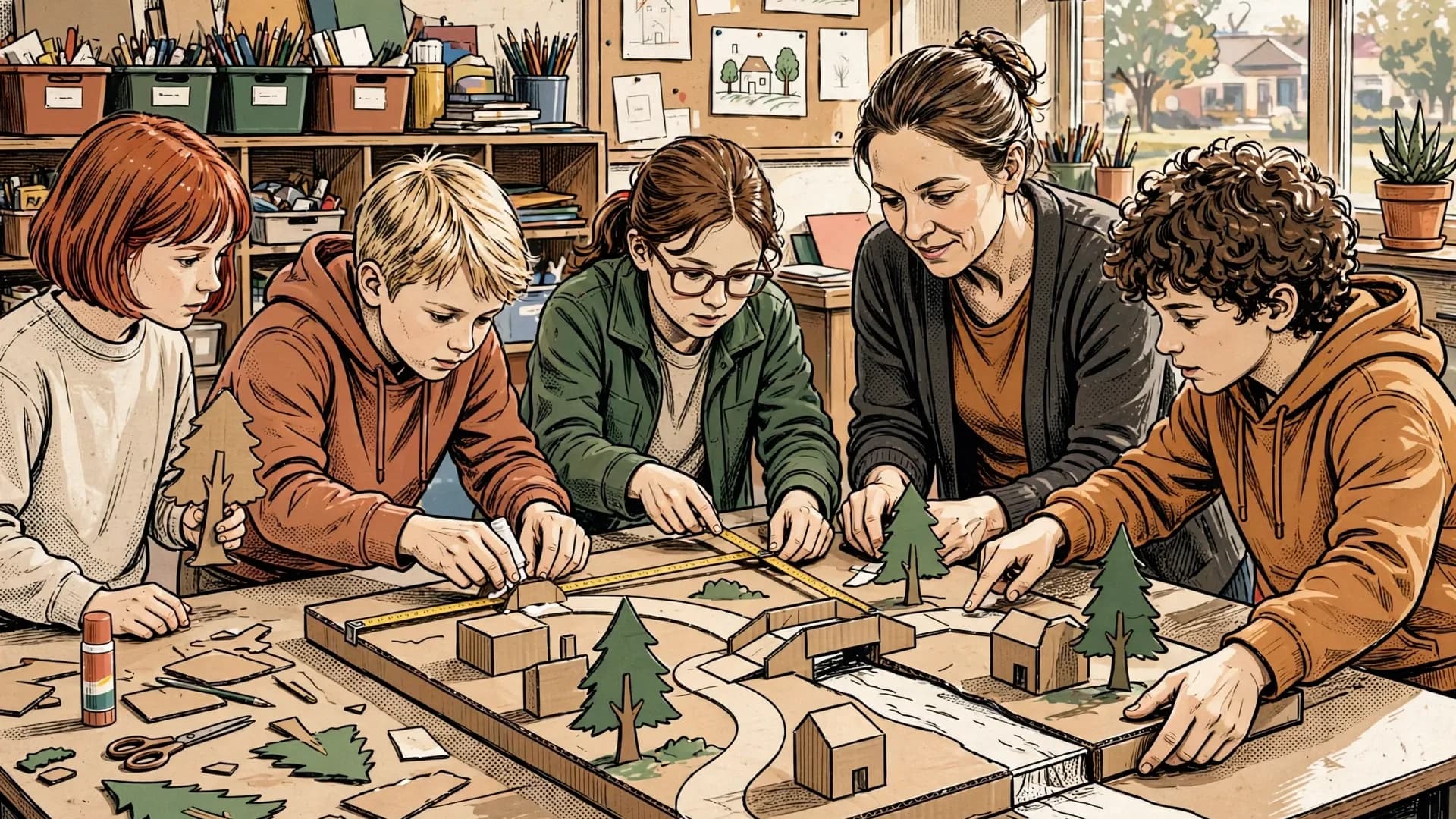
Project-Based Learning: Designing Your First PBL Unit, Step by Step
A practical guide to designing your first project based learning unit without the usual flops. Real structure, a real example, and the pitfalls to avoid.

Parent-Teacher Conferences: A Guide for New Teachers
Prepare individual progress conferences and whole-class meetings with clear evidence, family input, agreed actions and a copyable follow-up record.
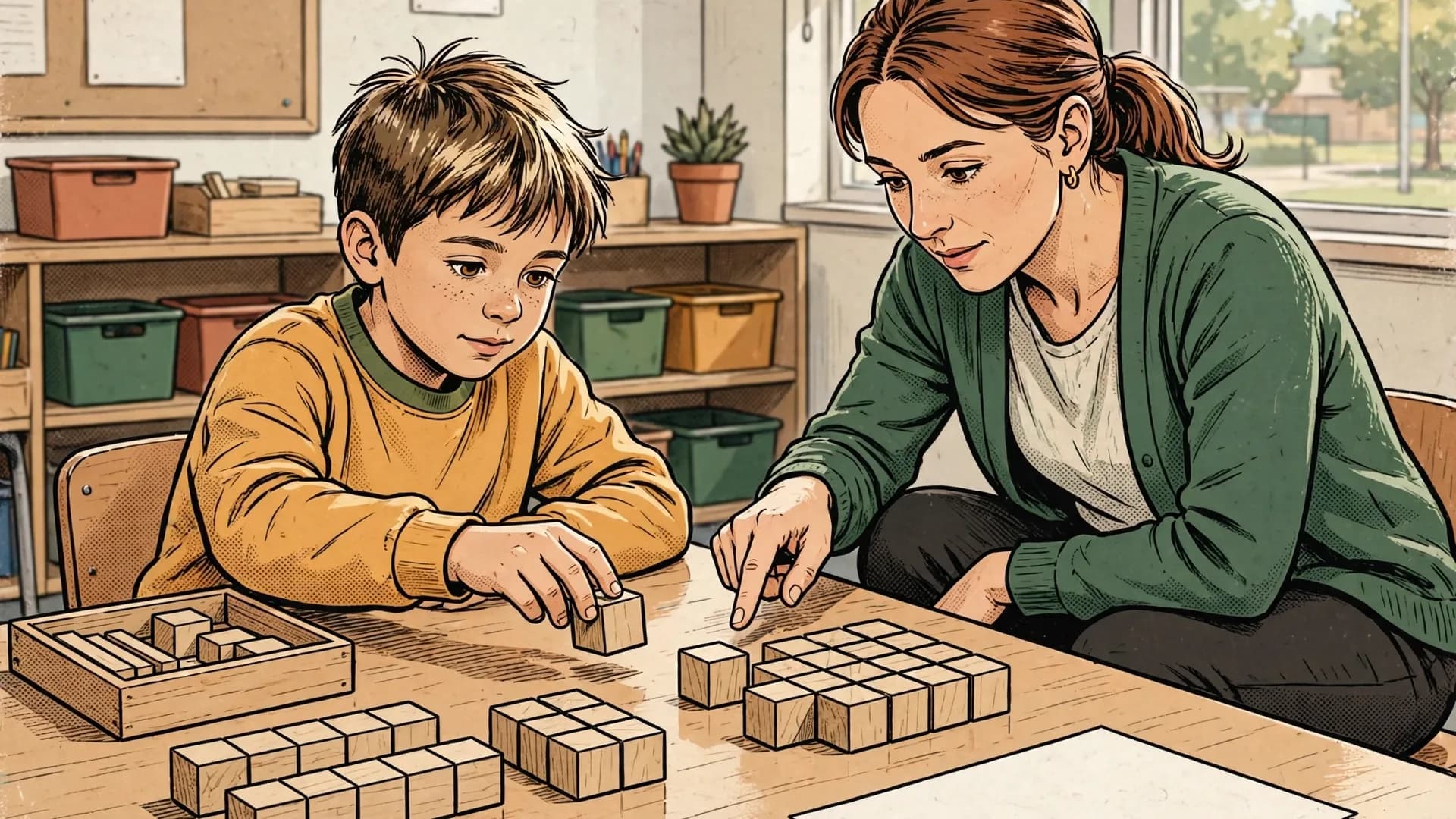
Elementary Math Misconceptions: 8 You're Teaching Without Realizing
Eight common math misconceptions quietly slip into K-5 classrooms every week. Spot them, reframe them, and watch your students reason with real confidence.

Low-Tech Classroom: 12 No-Screen Resources That Engage Students
Twelve no screen activities that wake up tired classrooms, from talking circles to paper escape rooms. Practical, low-prep, and built for K-12 teachers who want balance, not luddism.
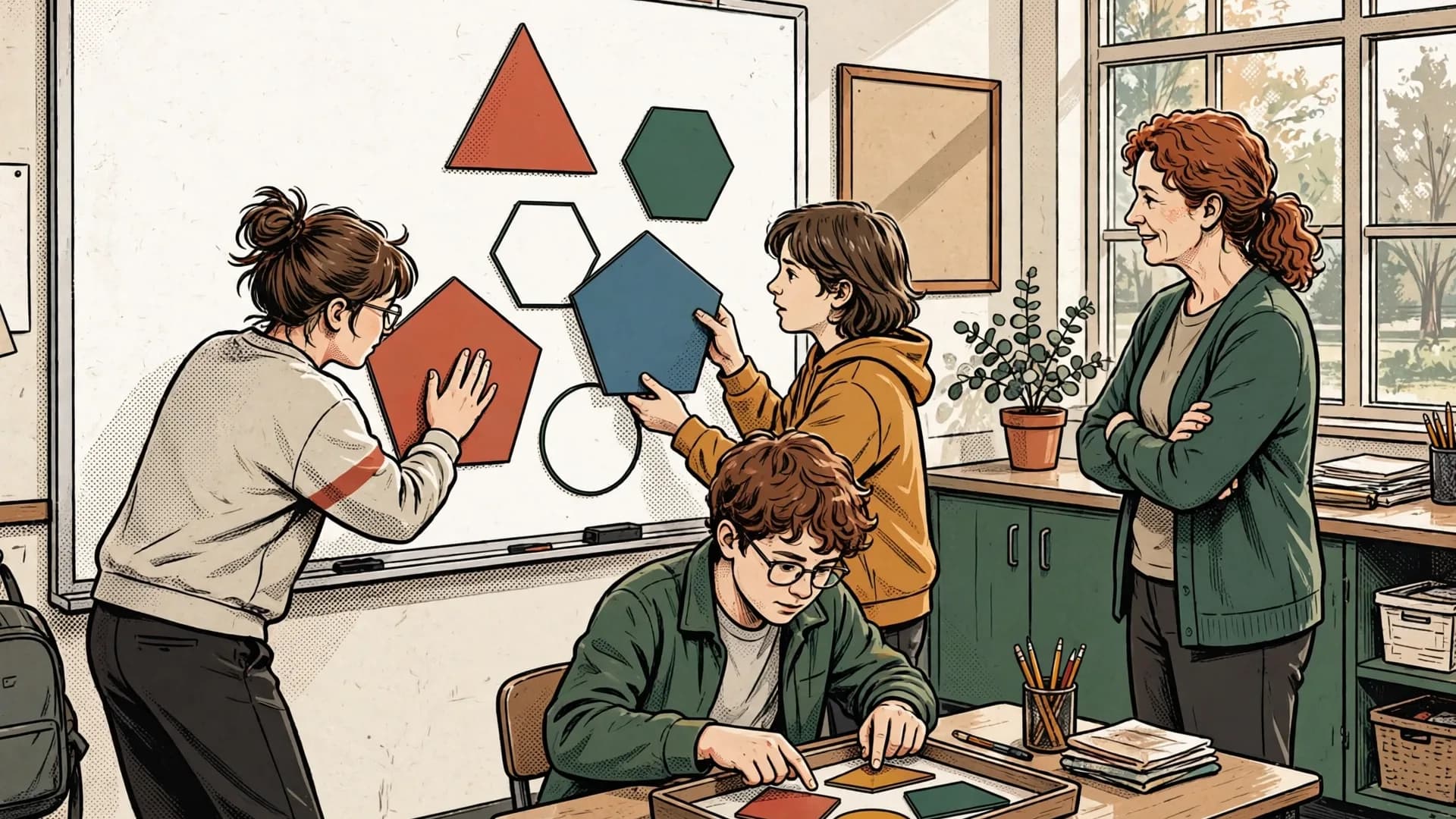
Interactive Whiteboard: 9 Activities That Actually Engage Students
Most classrooms use the interactive whiteboard like a glorified projector. Here are nine activities that actually use the touch, the drag, and the room.
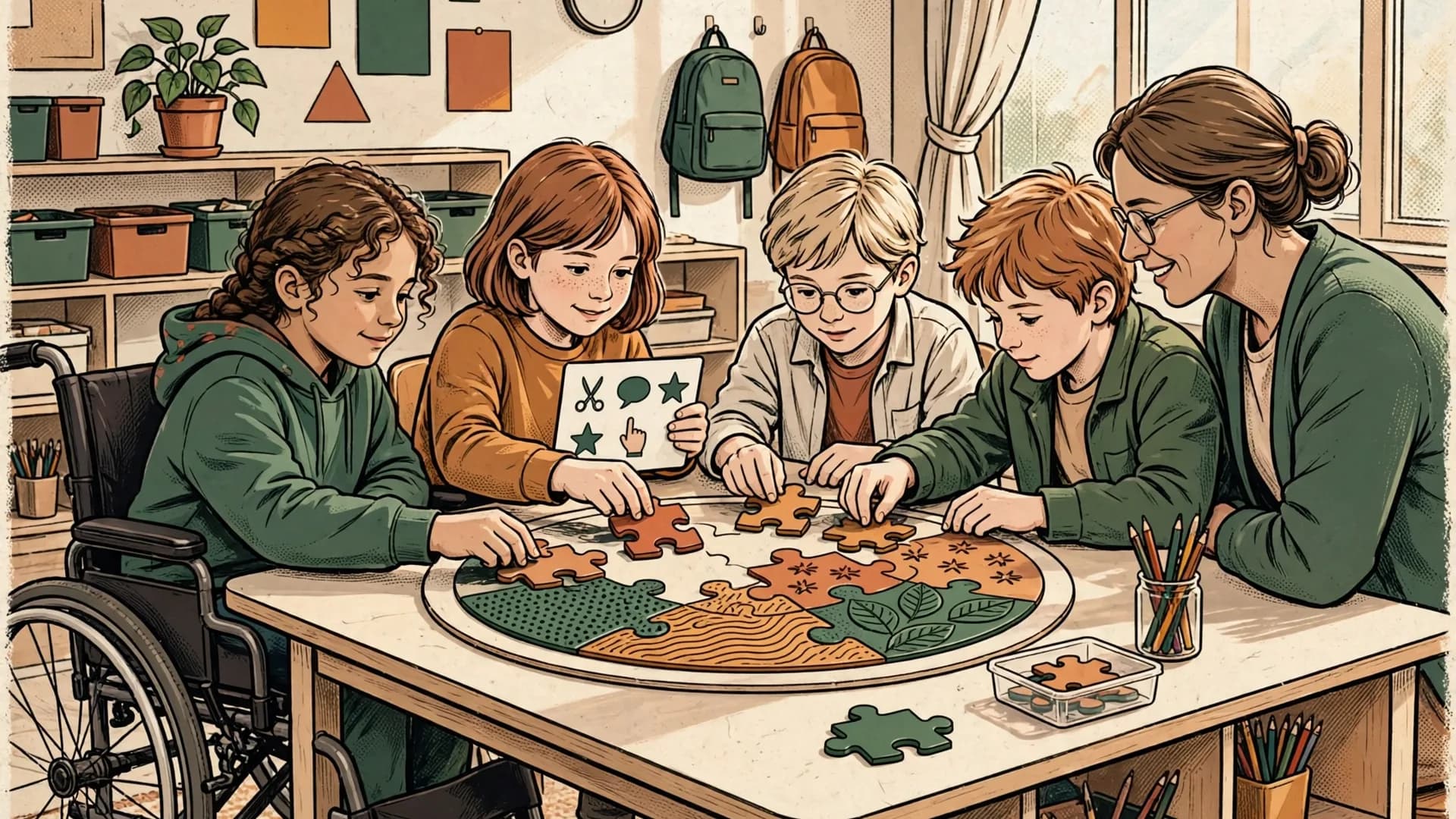
Inclusive Education: 5 Myths Worth Debunking
Inclusive education is often misunderstood as extra paperwork or lowered standards. Here are five myths every K-12 teacher hears, honestly debunked with classroom-ready practice.
First Week of School: What to Prep (and What Not To)
The first week of school sets the tone for the entire year. Here's what actually matters during those first five days, and what you can safely skip.
Emotional Intelligence in the Classroom: Activities by Age
Concrete activities to teach emotional intelligence in your classroom, sorted by age band. Short, repeatable, and designed to fit a real teaching week.

Differentiated Instruction: Adapting Lessons for Every Student
Differentiation doesn't mean creating three separate lesson plans. Learn practical strategies to adapt your teaching for diverse learners without tripling your prep time.
Designing a Fair Test in Under an Hour
Designing tests that are fair, focused, and finished in 60 minutes is possible. Here is a five-block process that protects your evening and your students.

Creating Engaging Math Worksheets: A Practical Guide
Build a worksheet around one mathematical goal, then check its questions and answers. Includes a Grade 5 fractions worksheet and a worked answer key.
How to Create Effective Lesson Plans with AI
A practical workflow for drafting lesson plans with AI, checking the output, adapting it to your class, and knowing which decisions still belong to you.
The Differentiated Instruction Framework for Teachers
Use the content, process, and product framework to decide what to vary, why to vary it, and which evidence should guide the next adjustment.
Competency-Based Assessment (Not Just Content): A Practical Guide
Competency based assessment measures what students can actually do, not just what they remember. Here is how to design tasks that show real learning.

Classroom Management Without Yelling: Strategies That Actually Work
Yelling drains you and stops working by Wednesday. Here are concrete classroom management strategies that protect your voice, your energy, and your students.
ChatGPT for Teachers: 12 Prompts That Save You Hours
ChatGPT for teachers can save real hours, but only if you prompt it well. Here are 12 copy-paste prompts that turn vague AI replies into classroom-ready material.

How to Write Better Dictation Exercises for Language Classes
Dictation is one of the most effective language learning exercises when done right. Here is how to create dictations that improve spelling, listening, and grammar.
Assessment Types Every Teacher Should Know
Diagnostic, formative, summative, quick quiz... each assessment type serves a different purpose. Here is when and how to use each one effectively.
Advisory Period: Using Your 50 Minutes Well
The advisory period is often the most wasted slot in the schedule. Here is a 4-block framework and 8 ready-to-use topics that turn 50 minutes into real conversation.
ADHD in the Classroom: 8 Adaptations That Actually Work
Practical ADHD classroom adaptations any teacher can use right now, no IEP or 504 required. Eight strategies that turn restless energy into engagement.

15 Exercise Types That Will Transform Your Teaching
From dictations to diagnostic assessments, these 15 exercise types cover every teaching need. Each one is designed for a specific purpose. Here is when to use each.